
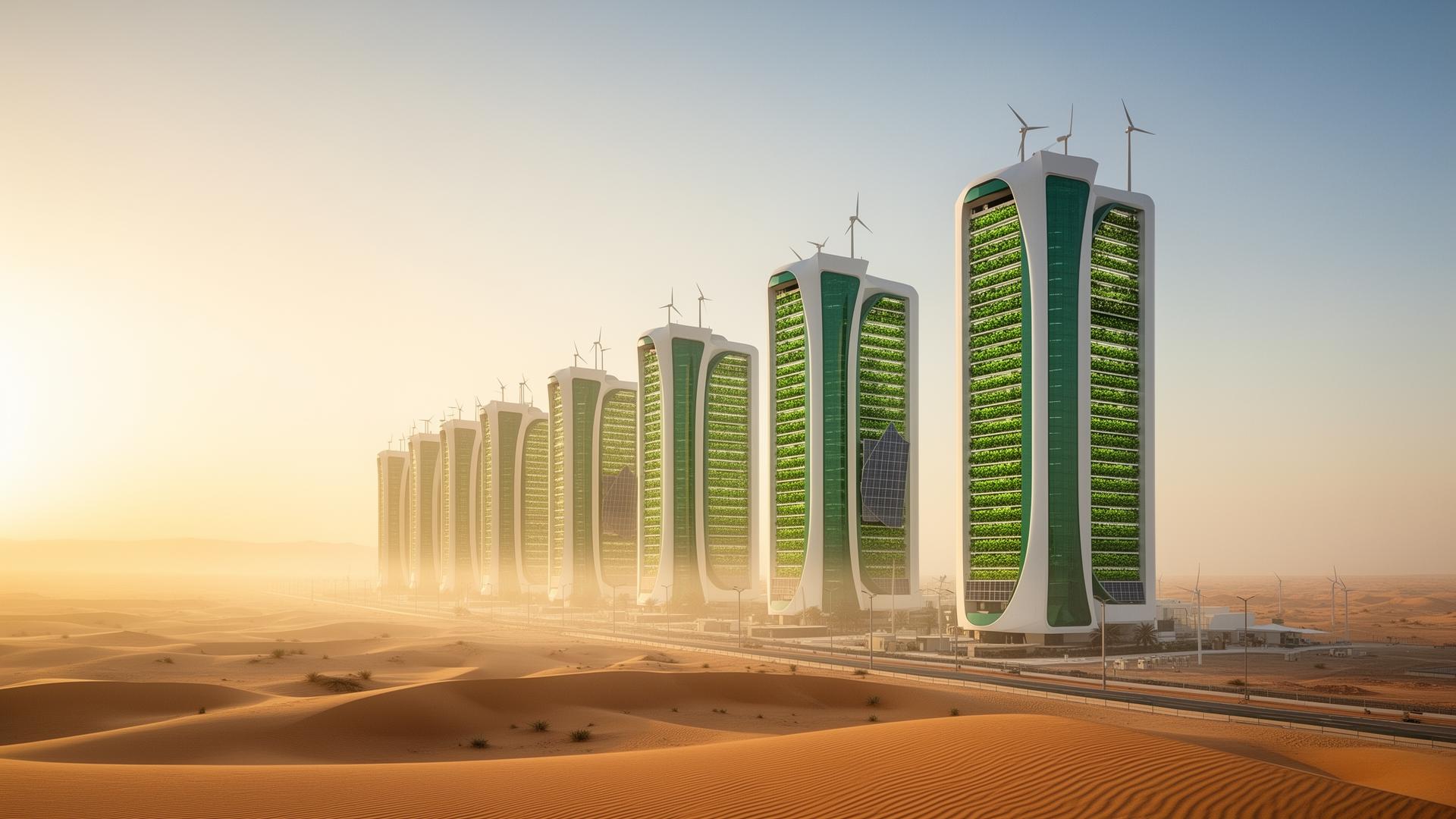
A Sovereign Food System Built for the Future
Al Khadra is an integrated food, water and energy system designed to secure national food independence through advanced infrastructure, AI, and sustainable engineering.
First deployable sovereign food–energy system designed for national scale.
The Al Khadra System — End-to-End
One integrated infrastructure model connecting food production, water intelligence, renewable energy, biosecurity, and Cogman AI.
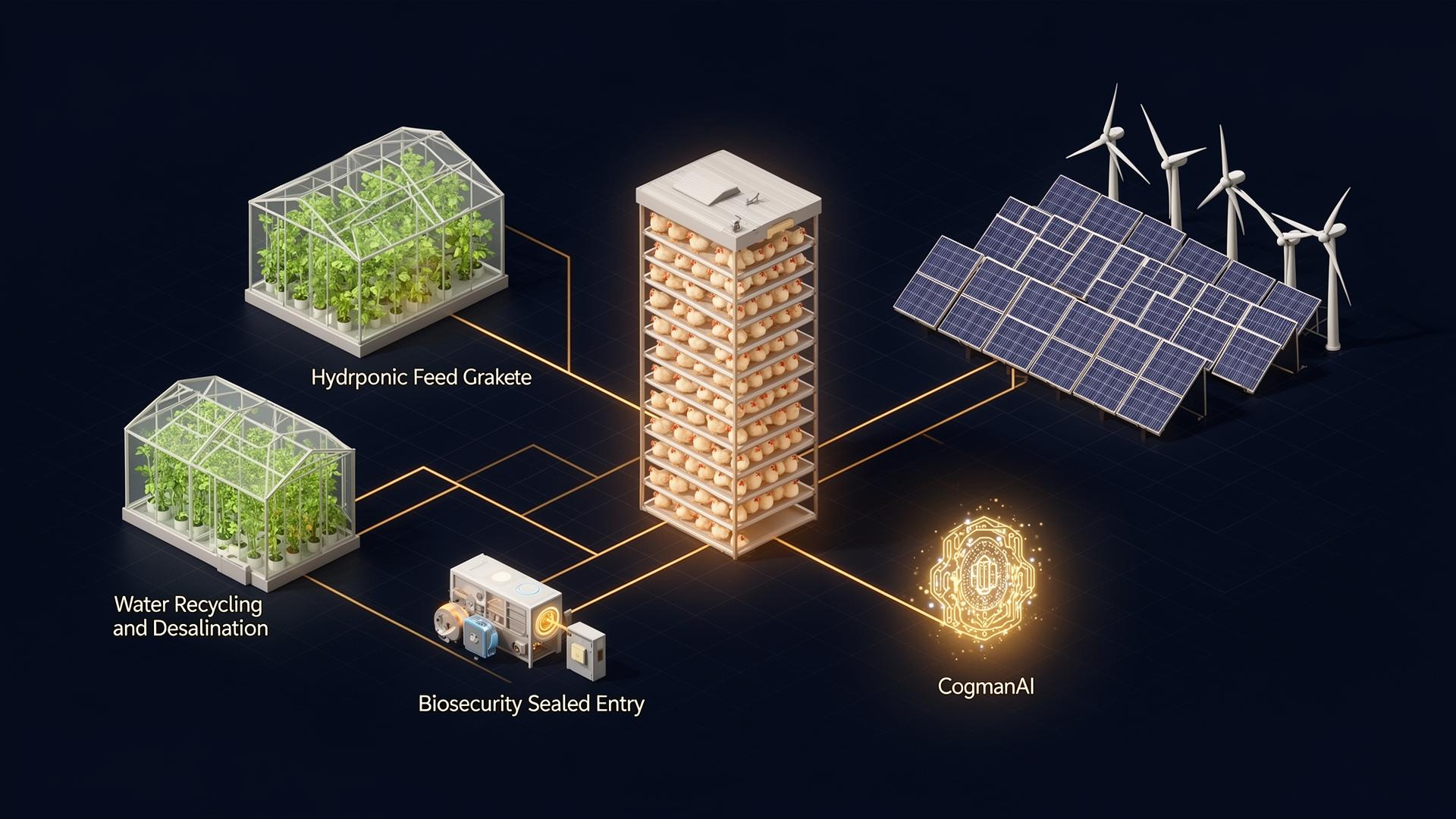
This is not a concept diagram. It is a deployable national infrastructure model.
هذا ليس مخططًا نظريًا، بل نموذج بنية تحتية قابل للتنفيذ على مستوى وطني.
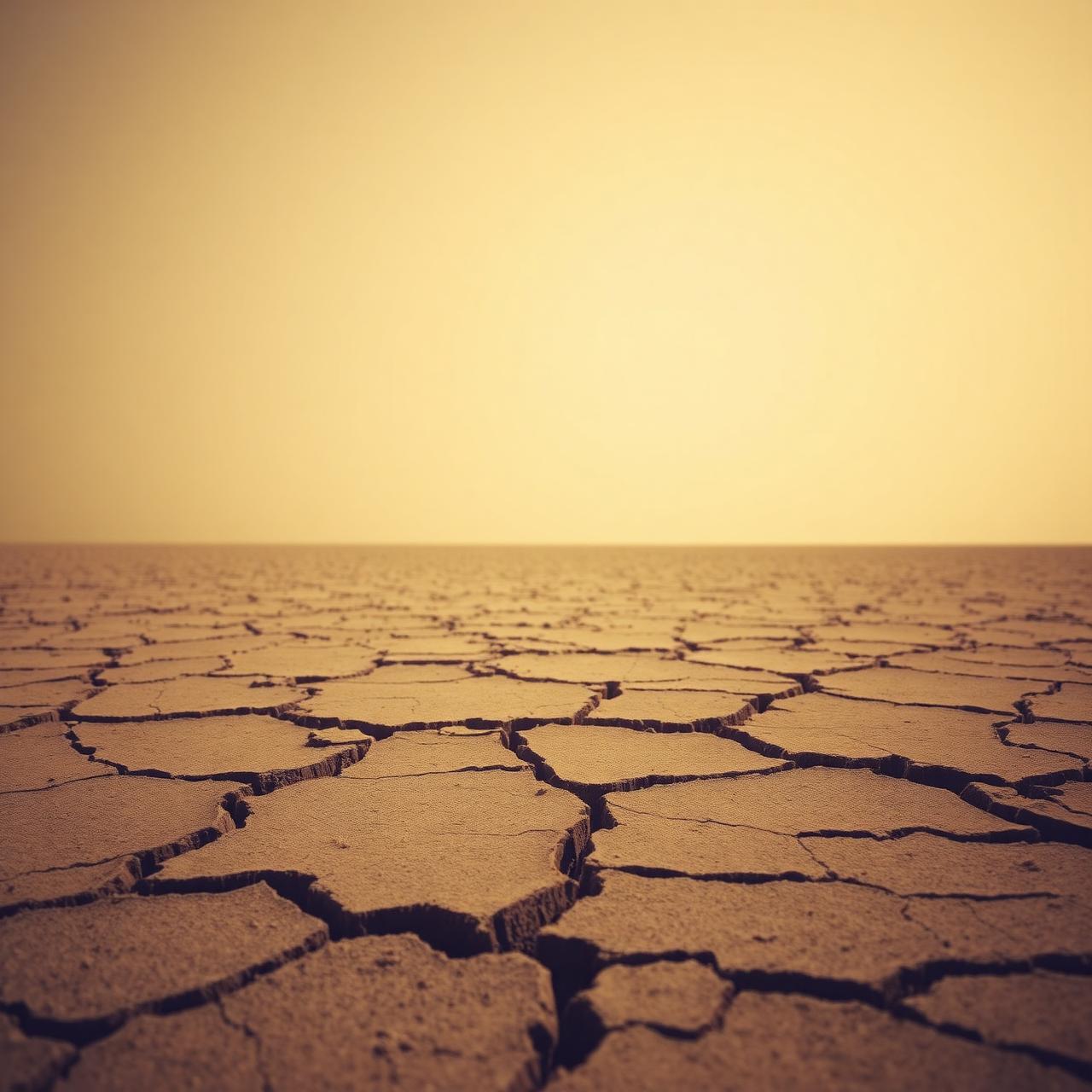
Food security is no longer guaranteed — and import dependency is a national risk.
Global supply chains are fragile. Water is scarce. Biosecurity threats continue to rise. Nations dependent on imports stand exposed to forces beyond their control.
Land transformed into a self-sustaining ecosystem.
Al Khadra transforms land into a biosecure food production ecosystem powered by renewable energy and intelligent systems — engineered not to depend, but to deliver.
Engineered for sovereignty. Designed for replication.
Six systems. One sovereign infrastructure.
Real Capacity Model
Engineered output across food, water and energy — modelled at the level of a single deployable tower.
All performance metrics based on engineered capacity models and controlled-environment production assumptions.
Scalable linearly across national deployment.
A deployable national capability.
From pilot to national network — structured for rapid deployment.
Al Khadra is structured as a deployable national infrastructure system aligned with long-term food security strategies.
Built on system-level thinking.
Al Khadra is designed as an integrated infrastructure model — every component engineered to function independently, yet operate as part of a unified system.
Designed as sovereign national infrastructure — not a project.
Building the future of food security.
Al Khadra represents a shift from dependency to sovereignty.
From dependency to sovereignty.
From fragmented farming to integrated infrastructure.
From risk to resilience.
Aligned with long-term national food security and sustainability objectives.